
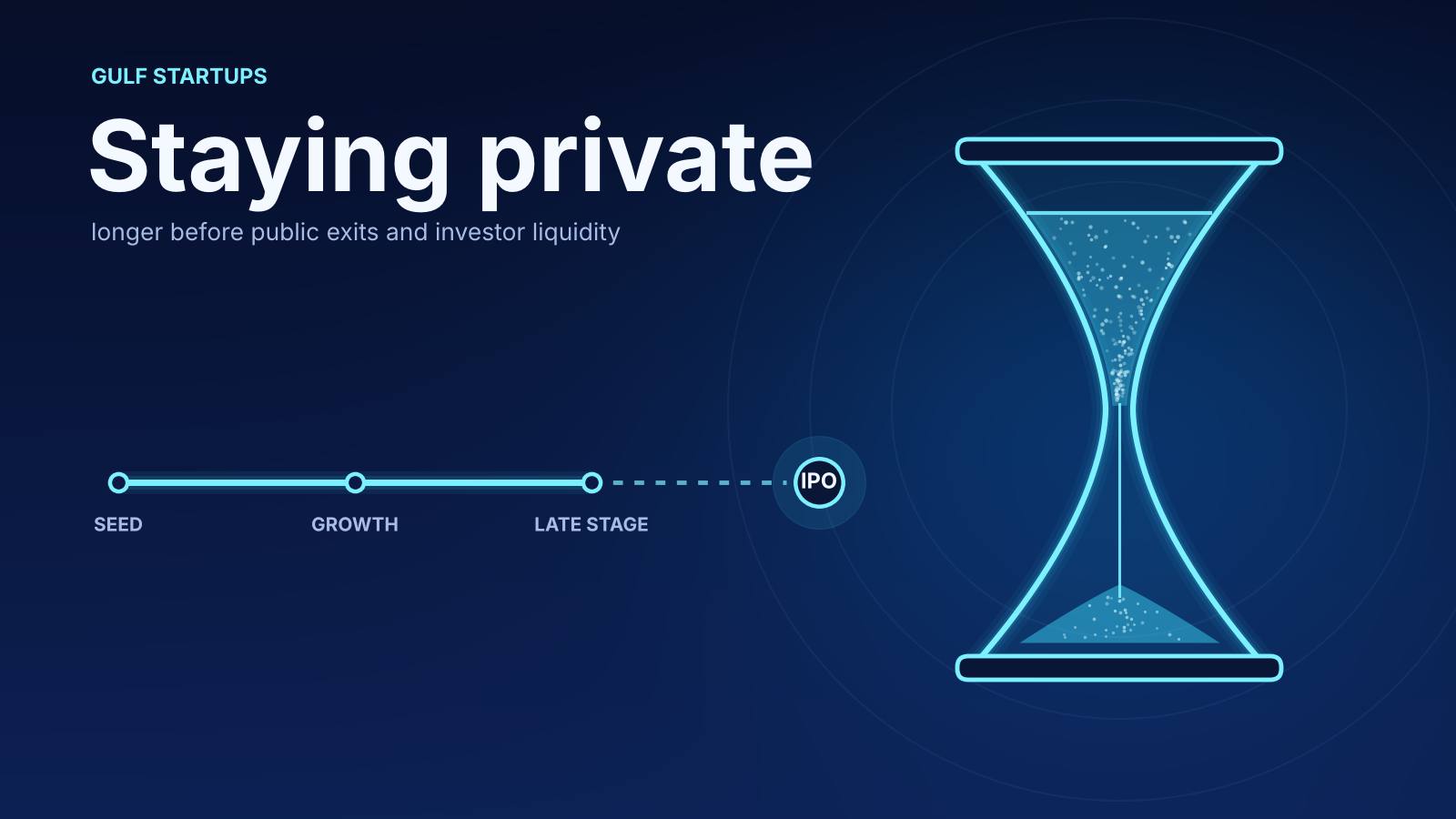
Gulf startups are staying private for longer - Semafor
Entrepreneurs across the GCC region are increasingly delaying their transition to public markets, maintaining private ownership structures well beyond traditional timelines. This shift reflects evolving dynamics in regional venture capital, market conditions, and strategic business planning among Gulf-based startups.
The trend of extended private company lifecycles is reshaping the startup ecosystem across the Gulf Cooperation Council nations. Rather than rushing toward initial public offerings or acquisition exits, many emerging businesses are opting to remain privately held for longer periods, allowing them to build scale and profitability at their own pace.
This extended runway reflects several market realities. Access to alternative funding sources—including family offices, regional venture funds, and international investors—has reduced the pressure on startups to seek immediate public capital. Additionally, the complexities and costs associated with listing on regional exchanges may be prompting founders to evaluate whether going public aligns with their long-term objectives.
The extended private period also enables entrepreneurs to:
- Maintain greater operational and strategic flexibility
- Avoid near-term earnings pressures typical of public companies
- Build stronger fundamentals before market scrutiny
- Pursue cross-border expansion opportunities without shareholder constraints
As the Gulf startup ecosystem matures, this pattern suggests a more selective approach to public markets rather than the traditional venture capital exit model. For stakeholders monitoring regional business development, this trend underscores the importance of robust private market infrastructure and long-term capital availability in the GCC.
Source: Gulf Capital Markets